
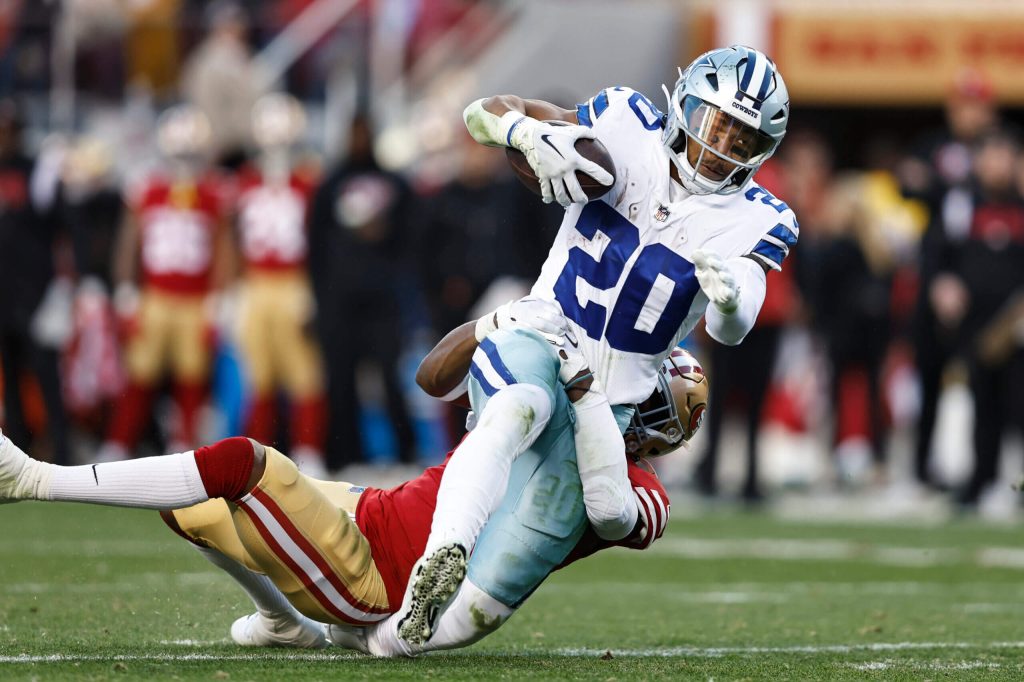
The NFL’s recent ban on hip-drop tackles is already under scrutiny as it has faced enforcement challenges in September 2024, raising concerns about player safety and the effectiveness of the new rule. Several high-profile incidents have highlighted the ongoing risks associated with this dangerous tackling technique.
Recent Incidents
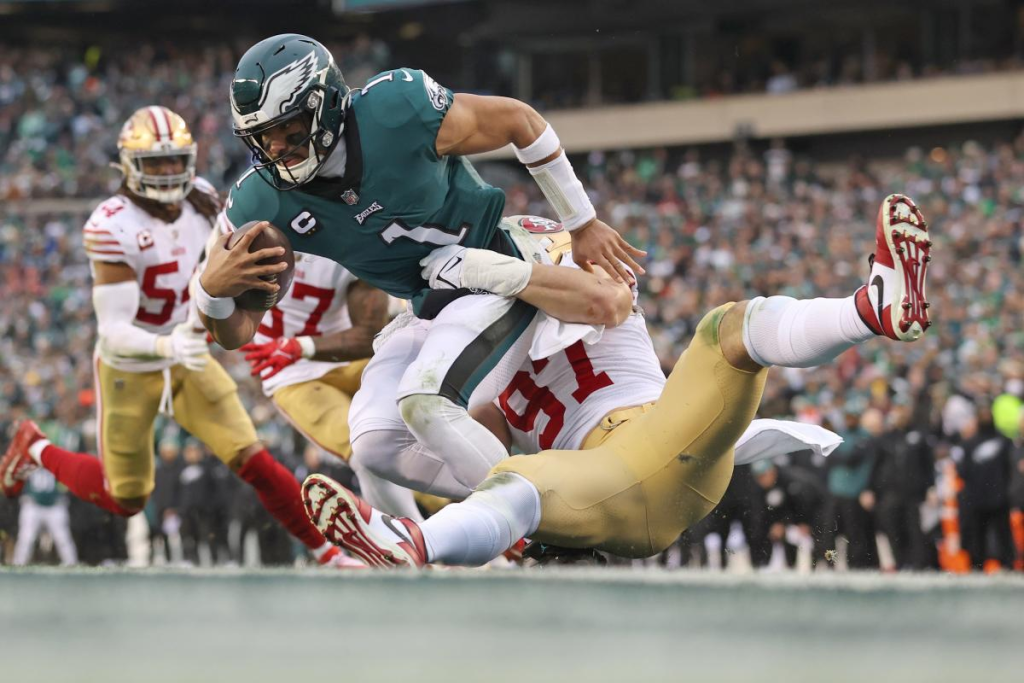
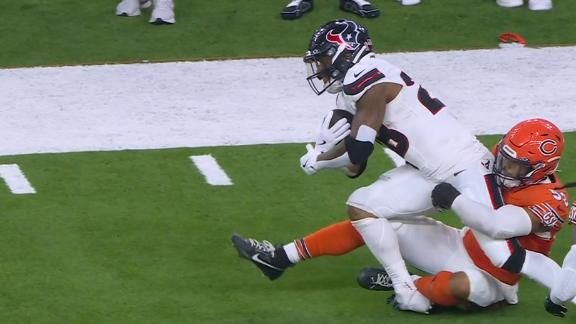
On September 16, 2024, Houston Texans running back Joe Mixon suffered an ankle injury after what appeared to be a hip-drop tackle by Chicago Bears linebacker T.J. Edwards. Mixon publicly criticized the NFL for failing to enforce the ban, stating on social media: “The NFL and NFLPA made it a rule and an emphasis for a reason. Time to put your money where your mouth is.”
In another game on the same day, Cincinnati Bengals receiver Ja’Marr Chase had a heated exchange with officials after what he believed was an uncalled hip-drop tackle. These incidents underscore the difficulty in consistently identifying and penalizing this tackling technique during live play.
Enforcement Challenges
The hip-drop tackle ban has proven challenging to enforce for several reasons:
- Speed of play: The rapid pace of NFL games makes it difficult for officials to accurately identify hip-drop tackles in real-time.
- Subjective interpretation: There is often disagreement between players, coaches, and officials on what constitutes a hip-drop tackle.
- Inconsistent application: Some players and coaches have expressed frustration with the inconsistent enforcement of the rule across different games and officiating crews.
Player Safety Concerns
The lack of consistent enforcement raises significant player safety concerns. NFL data analysis has shown that hip-drop tackles are associated with a 20-25 times higher risk of serious lower-body injuries compared to other tackling methods. The technique often results in a defender’s full body weight landing on a ball carrier’s legs, potentially causing severe knee, ankle, and leg ligament damage.
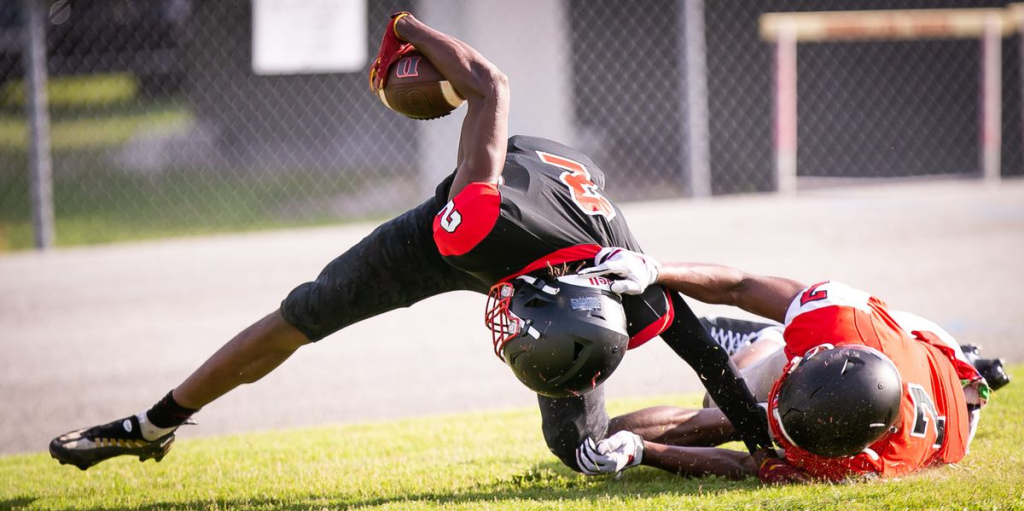
The NFL’s influence extends far beyond professional football, setting the standard for player safety and game conduct across all levels of the sport. As the pinnacle of American football, the NFL’s rules and practices are closely watched and often emulated by youth, high school, and college leagues. This trickle-down effect means that when the NFL implements new safety measures or rule changes, such as the ban on hip-drop tackles, it creates a ripple effect throughout the football ecosystem. Lower levels of play tend to adopt similar rules and techniques, both for consistency in player development and to prioritize safety. This widespread impact underscores the critical importance of clear, enforceable rules at the NFL level. By establishing and consistently enforcing preventative measures, the NFL not only protects its own players but also sets a crucial precedent for player safety at all levels of the sport, potentially reducing injuries and improving the game’s long-term sustainability.
Moving Forward
To address these ongoing issues, the NFL may need to consider the following steps:
- Enhanced official training: Provide more comprehensive training to officials on identifying hip-drop tackles.
- Video review: Implement a system for reviewing potential hip-drop tackles during games.
- Post-game penalties: Consider issuing fines or suspensions for hip-drop tackles identified after games through video review.
- Player education: Continue to educate players on the dangers of this tackling technique and proper alternatives.
As the 2024 NFL season progresses, the league will need to demonstrate a stronger commitment to enforcing the hip-drop tackle ban to ensure player safety and maintain the integrity of the game.