
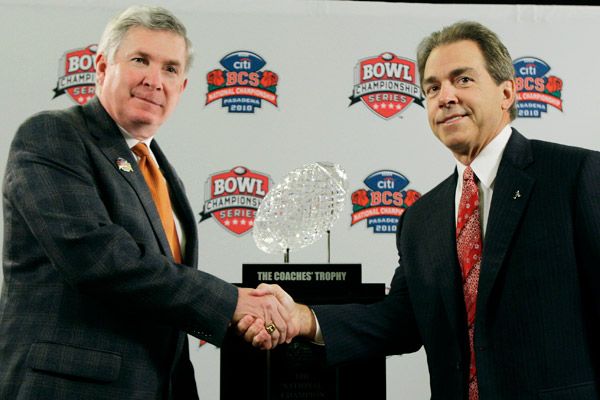
Let’s face it, the pressure on college football coaches to deliver wins and sustained excellence is at an all-time high. With the spotlight of millions shining down every Saturday, the job demands more than just a command of the game. To be successful, a college football coach must wear many hats: recruiter, strategist, organizational leader, educator, and even fundraiser. After nearly four decades playing, being mentored by coaches, listening to the best at coaching clinics, and closely watching the game, it’s clear that the most successful coaches excel in several core areas. These skills go beyond X’s and O’s—they are the foundation on which championship programs are built.

The fine points of a great college football coach
1. Recruiting Talent: The Lifeblood of the Program
Recruiting is often called the most important job of a college football coach—and with good reason. At its core, recruiting is about more than just finding talented athletes; it’s about identifying players who fit the program’s culture, vision, and style of play. A great recruiter doesn’t just chase stars; they seek out players with the drive, work ethic, and character to succeed at the collegiate level. It’s a year-round process of building relationships with high school coaches, families, and, of course, the players themselves.
The best recruiters know that each player is more than a highlight reel. They are young men with dreams and ambitions who will shape the future of a program. And to win big, coaches must also recruit the right mix of talent across positions, ensuring their roster is deep and balanced. In today’s era of the transfer portal, recruiting extends beyond high school to current college athletes, giving coaches a broader pool to build from. The best coaches know how to make every recruit feel valued, building trust from the first conversation.
NIL (Name, Image, and Likeness) has fundamentally changed the recruiting landscape, allowing athletes to profit from their personal brand while still in college. To address this, coaches must not only navigate the evolving NIL landscape but also emphasize a balance—ensuring recruits understand that while NIL opportunities are important, the primary focus should be on developing as athletes and students, and contributing to a winning program and culture. Managing NIL effectively requires building strong relationships with both athletes and their families while keeping the school and program’s long-term goals and values intact.
2. Strategic Thinking: The Chess Match of Football
Strategic thinking is what separates a good coach from a great one. It’s easy to focus on the physical aspects of the game—blocking, tackling, running—but strategy is where championships are won. A great coach has an exceptional understanding of football fundamentals and an ability to read the flow of the game. This means adjusting tactics in real time, making bold decisions when needed, and even knowing when to take risks.
But strategic thinking also means preparation. The best coaches don’t just react to what’s happening on the field; they anticipate it. They study their opponents, break down game film, and understand their team’s strengths and weaknesses in a way that allows them to make quick, effective decisions during crucial moments. Whether it’s a late-game play call or an early-season strategy, a great coach has the foresight to shape the outcome of the game before it begins.
Defensive Schemes
Great coaches implement effective defensive strategies like these examples:
- The Dime Defense: Used by the Denver Broncos in Super Bowl 50, This formation utilizes six defensive backs to enhance pass coverage, making it particularly effective against medium to long-range passing plays and increasing the potential for interceptions. Most use this in third-and-long situations.
- The Cover 3 Defense: Popularized by the Seattle Seahawks’ “Legion of Boom,” this scheme divides the field into thirds, with three deep defenders responsible for one-third of the deep field, offering strong protection against deep passes and vertical routes while maintaining a balanced defense against both run and pass plays.
- The Zone Blitz: Utilized by Dick LeBeau’s Pittsburgh Steelers in Super Bowl XLIII, this strategy confuses offenses by disguising which players will rush the quarterback and which will drop into coverage. While combining blitz pressure with zone coverage, this makes it especially effective against screen plays.
- Lastly, the 46 Defense, designed by Buddy Ryan and made famous by the 1985 Chicago Bears, is considered one of the greatest in NFL history. This aggressive scheme applies constant pressure on the opposing offense by using six players on the line of scrimmage, effectively disrupting both running and passing plays. You won’t see this in college football, unless you are in the red zone.
Offensive Strategies
Top coaches also excel in offensive game planning: The best offensive strategy depends largely on a team’s strengths, whether it’s a dynamic quarterback, a dominant offensive line, or a deep group of receivers. Teams that can adapt their offensive approach to exploit the weaknesses of opposing defenses are often the most successful. Whether you focus on spreading the field, controlling the clock, or executing a pass-heavy attack, the key to success is maximizing your team’s strengths while keeping the defense guessing.
A. Spread Offense
The spread offense is designed to create mismatches by spreading the defense horizontally and vertically across the field. It typically uses a fast tempo and emphasizes passing. Key features of the spread offense include a dual-threat quarterback, who can both pass and run, and a wide formation with four or five receivers, forcing the defense to cover more ground. Quick, short passes like slants, outs, and bubble screens are common, and the offense often runs at a high tempo to prevent the defense from substituting or getting set. This strategy works because it exploits defensive weaknesses, creates space, and can tire out defenses with its fast pace. Teams with a mobile quarterback and solid receivers can particularly benefit from this approach.
B. Power Run Game
The power run game focuses on controlling the line of scrimmage with a physical, ground-based attack. It relies heavily on a strong offensive line and a powerful running back who can gain tough yards after contact. This strategy often uses a heavy formation, with tight ends and fullbacks helping to block and open up running lanes. The key feature of this offense is its emphasis on running the ball with a downhill approach, frequently followed by play-action passes to take advantage of defensive overcommitment to the run. The power run game works because it wears down the defense over time, controls the clock, and limits the opposing offense’s opportunities to score.
C. Air Raid Offense
The Air Raid offense is a pass-first strategy focused on throwing the ball often and quickly. It utilizes a spread formation but places a stronger emphasis on passing compared to the traditional spread offense. Key features include short, quick throws to multiple receivers, and a heavy reliance on route combinations designed to create natural spacing and confusion for the defense. The quarterback’s ability to make quick decisions and read the defense is crucial to this offense. The Air Raid works by forcing the defense to defend the entire field, leading to fast, short passes that can quickly accumulate yards, especially if wide receivers are good at gaining yards after the catch (YAC). The fast tempo can also pressure the defense and tire them out.
D. Option Offense (Triple Option)
The option offense, particularly the triple option, involves the quarterback reading a defensive player (usually the defensive end) and deciding whether to hand the ball off, keep it, or pitch it to another back. Key features of this offense are the quarterback’s read-based decision-making, multiple ball-carrying options, and the quick pace at which decisions must be made. This offense is designed to confuse the defense, forcing defenders to choose between several possible outcomes. The triple option works well because it creates confusion, particularly against defenses that rely on aggressive pursuit, and can be very difficult to stop when the offensive line blocks well and the quarterback is skilled at making reads.
E. West Coast Offense
The West Coast offense is based on short, precise passes and quick decision-making. It focuses on timing and precision, with routes designed to create separation and allow receivers to gain yards after the catch. Key features include quick, accurate throws to running backs, tight ends, and wide receivers, often using route combinations like slants, outs, and curls. The quarterback is required to make fast reads and quick throws to avoid pass rush pressure. The West Coast offense works because it neutralizes pass rushes with quick releases and makes it difficult for the defense to predict where the ball will go. It’s particularly effective in exploiting defensive misalignments and is ideal for teams with accurate, quick-thinking quarterbacks.
F. Balanced Offense
A balanced offense aims to keep the defense on its heels by mixing both the run and the pass effectively. It doesn’t rely too heavily on one aspect of the game but instead aims for a roughly even distribution between running and passing plays. This strategy involves varied formations to keep the defense guessing, as well as versatile quarterbacks who can execute both running and passing plays. The key to a balanced offense is unpredictability, which prevents the defense from keying in on one specific play type. The balanced approach works because it forces defenses to prepare for everything, making it harder for them to concentrate on stopping one aspect of the game. Teams with a versatile offensive line and skill players can benefit from this flexibility.
G. Tempo and Hurry-Up Offense
The hurry-up or no-huddle offense emphasizes a fast pace, aiming to prevent the defense from substituting and to catch them off-guard. Key features include rapid execution between plays, often forcing the defense to remain on the field longer than they are comfortable with. Some teams will vary their tempo, mixing fast-paced drives with slower, more methodical ones to disrupt the defensive rhythm. The hurry-up works because it tires out defenses, particularly in hot or humid conditions, and prevents them from making substitutions. It also creates opportunities for big plays by keeping the defense on its heels, unable to set up or make adjustments.
Preparation and In-Game Adjustments
The best coaches excel at:
- Masterful Pre-Game Planning: Top-tier coaches don’t just create game plans—they craft detailed, adaptable strategies with contingencies for every key moment. They anticipate how the game will unfold, ensuring their team is prepared for all scenarios, whether the game is going according to plan or they face unexpected challenges.
- Relentless Film Study: Elite coaches immerse themselves in film analysis, studying opponents with precision to identify key patterns, tendencies, and weaknesses. They know exactly what to expect, allowing them to make data-driven decisions that give their team a competitive edge.
- Real-Time Adaptability: In the heat of battle, the best coaches have an uncanny ability to quickly diagnose problems and make swift, effective adjustments. They stay ahead of the game, turning momentum in their favor and guiding their team through adversity with tactical changes that get results.
Strategic thinking in football coaching involves a deep understanding of various schemes, meticulous preparation, and the ability to make swift, effective decisions during crucial moments. These qualities are what separate great coaches from good ones. If you’re searching for a coach who can elevate a program, look for someone who excels in these areas and consistently delivers results both before and during the game.
3. Leadership: Inspiring Excellence On and Off the Field
Leadership is often the most intangible quality of a successful coach. It’s easy to draw up plays and drill players, but great coaches lead through example, motivation, and communication. The best leaders have the ability to inspire their players to do things they never thought possible. They foster an environment where effort is non-negotiable, respect is mutual, and accountability is a cornerstone of the program.
But leadership isn’t just about barking orders from the sideline. Great coaches understand that they are shaping young men for life beyond football. They lead by example in how they carry themselves—whether it’s their professionalism, integrity, or approach to adversity. This influence extends into the community, where coaches often serve as role models. The best leaders know how to connect with their players on a personal level, understanding the struggles they face, from managing academics to navigating personal challenges.
4. Player Development: Building More Than Athletes
The role of a college football coach isn’t just to win games but to develop players who will excel on and off the field. A great coach takes a hands-on approach to developing talent, both physically and mentally. This means not only refining technique and increasing athletic performance but also fostering mental toughness.
Player development is about building confidence, resilience, and discipline. Great coaches know that, in addition to learning plays and drills, athletes must learn how to manage the pressures of being a student-athlete. Whether it’s encouraging them to work through mistakes or pushing them to perform under pressure, the best coaches create an environment where players grow. A strong developmental program also helps players stay healthy and injury-free, ensuring that their physical prowess can be sustained over multiple seasons.
5. Time and Program Management: Juggling Multiple Priorities
The management of time and resources is a vital skill for any college football coach. A coach must balance countless responsibilities—from organizing practice schedules to overseeing staff and players’ academic progress. Time management becomes even more crucial as teams juggle busy game weeks, travel, recruiting visits, and team meetings.
Strong program management means having systems in place that ensure everything runs smoothly. It also requires a keen eye for detail and a high level of organizational skill. The best coaches know how to delegate effectively, trusting their staff while keeping a firm hand on the pulse of the program. This allows them to maintain focus on the bigger picture while also addressing the day-to-day needs of the team.
6. Adaptability: Evolving with the Game
In a sport as dynamic as football, change is constant. Whether it’s new technology, new rules, or the evolution of player training techniques, the most successful coaches know how to adapt. The ability to adjust to changing circumstances is critical. Whether it’s a new offense, defensive strategy, or evolving player needs, a great coach doesn’t shy away from change—they embrace it.
Coaches also need to be adaptable in how they work with their players. Every player is unique, and coaching styles must evolve based on the individuals on the team. Recognizing when a different approach is needed—whether in player motivation or game preparation—can make all the difference.
7. Building a Winning Culture: More Than Just X’s and O’s
Culture is the foundation of any great sports program, and it starts with the coach. The most successful coaches create an environment where winning becomes an expectation, not a hope. They build programs based on hard work, discipline, and a sense of pride. This culture impacts everything from recruiting to daily practice and even how players approach their studies.
A winning culture is about more than just winning games. It’s about creating a mindset where everyone—coaches, players, and staff—knows what the program stands for. It’s about establishing values that transcend football, teaching life lessons that help athletes succeed beyond their collegiate careers. Great coaches inspire players to adopt these values, creating a brotherhood or sisterhood that unites everyone toward a common goal.
8. Relationship Building: Connecting With Players, Staff, and the Community
A successful coach doesn’t operate in isolation. Building and maintaining strong relationships with players, assistant coaches, athletic directors, and the broader community is essential. The most effective coaches are highly personable, creating an atmosphere where players feel comfortable, valued, and heard.
These relationships extend beyond the locker room. Coaches often play a significant role in fundraising, working closely with alumni, boosters, and donors to ensure the financial health of the program. Strong community ties can lead to increased support, both financially and morally, helping to elevate the team’s profile.
9. Fundraising and Resource Management: Ensuring Long-Term Stability
In the modern world of college football, resources are critical for success. Great coaches not only work within their program’s budget but also actively seek ways to generate additional resources. This includes engaging with donors, raising money through events, and working with university leadership to secure the funding needed for facilities, scholarships, and coaching staff.
The most successful programs are also the best-funded. Coaches who can bring in financial support often find their programs thriving in other areas, from player recruitment to upgrading facilities. With college football increasingly becoming a multi-million-dollar industry, the ability to manage and grow resources is a key indicator of long-term success.
10. Supporting Off-Field Growth
Coaches who guide players off the field by fostering trust, providing mentorship, promoting mental health resources, setting behavior expectations, encouraging social responsibility, and helping navigate outside predatory attempts creates well-rounded, responsible athletes. A focus on balance, personal development, and accountability shapes players for success both on and off the field.
11. Balancing Academics and Athletics: The Mark of a True Educator
Finally, the hallmark of a great college football coach is their ability to balance academics with athletics. College football players are students first, and a successful coach ensures that their athletes succeed in the classroom as well as on the field. Coaches must not only support academic success but also create an environment where players are encouraged to excel academically.
This requires helping players manage their time effectively, offering academic support, and fostering a culture where education is seen as just as important as athletics. By promoting academic excellence, coaches ensure that their players are prepared for life beyond football, whether they make it to the NFL or not.
So the best college football coaches are multi-faceted leaders who excel in numerous areas. From recruiting top talent and devising strategic game plans to developing strong relationships and fostering a winning culture, the most successful coaches are adept at managing both the short-term goals and long-term vision of their program. Ultimately, their ability to balance the many demands of coaching while staying true to their values is what separates the great from the good in the competitive world of college football.
How All Of This Relates To The UNC Tar Heels
When searching for a new head football coach, especially at a prestigious program like the University of North Carolina (UNC), the stakes could not be higher. To elevate the program to consistent Power 4 contender status, the next head coach must possess not only a deep understanding of football but also a clear vision for developing a comprehensive and sustainable program across various facets—from player development on the field to academic success in the classroom, and engagement within the broader community.
The Right Characteristics for Building a Winning Program
In today’s college football landscape, it’s no longer just about winning games—it’s about building a program that is strong in every area, from recruiting to academic excellence to fostering a healthy, engaged team culture. The ideal head coach for UNC must distinguish themselves in these key areas:
1. Strategic Football Mindset
A great coach must be a tactical mastermind, capable of designing innovative, effective strategies that adapt to the challenges of each game. But the true measure of excellence comes from the ability to balance offense and defense, to evolve as the game does, and to make the right in-game adjustments. Beyond X’s and O’s, it’s about building a cohesive unit that plays with discipline, heart, and purpose.
For UNC, finding someone who can both elevate the offense and strengthen the defense is crucial. While names like Jon Sumrall and Glenn Schumann bring proven experience on both sides of the ball, the next head coach must also be able to blend those strategies with the resources and expectations of a Power 4 program. Additionally, someone like Dan Mullen, who has a track record of building strong offenses, could bring an edge, especially if paired with an experienced defensive coordinator.
2. Mastering the Modern Recruiting Game
The ability to recruit is paramount. Top coaches know that success starts with building a pipeline of elite talent, and recruiting has become a multi-faceted, high-stakes game. Coaches must be adept at navigating the complexities of Name, Image, and Likeness (NIL) while balancing the needs of the program and the individual. This involves not only connecting with recruits but also helping players build their personal brands in a way that aligns with the team’s values and long-term goals.
NIL has changed the recruiting landscape, and the next UNC coach must be prepared to leverage it effectively, maintaining strong relationships with both high school prospects and transfer portal athletes. This includes managing the expectations of the players, parents, and NIL partners, while keeping the program on the path to long-term success.
3. Academic Excellence and Holistic Player Development
The next UNC head coach must carry forward Mack Brown’s legacy of academic success, ensuring that players not only excel on the field but also in the classroom. This involves fostering an environment that encourages academic achievement, personal growth, and future career development. A coach who can help players succeed in both football and academics ensures that they have a “fallback plan” for life after football—whether they go on to play professionally or pursue other career opportunities.
Developing well-rounded student-athletes is a non-negotiable. It’s about more than just winning games—it’s about creating opportunities for players to thrive in all aspects of their lives, both during their time at UNC and beyond. The next head coach must emphasize the importance of academics and take an active role in helping players navigate their academic and athletic commitments.
4. Community Engagement and Program Culture
A successful head coach must also be a cultural leader who fosters a strong, positive team culture. This includes building meaningful relationships with players, coaching staff, and the broader UNC community. Engagement doesn’t end with the players—it extends to alumni, donors, and fans, who are critical to the success and sustainability of the program.
The ideal coach for UNC must inspire the alumni and donor base, forging lasting connections that lead to continued financial and moral support for the program. Moreover, a great coach should emphasize leadership, discipline, and teamwork, teaching players the values that will help them both on and off the field. UNC is a storied institution, and its football program deserves a leader who understands the significance of maintaining a culture that embodies the university’s values.
5. Visionary Leadership in an Evolving Landscape
As college football continues to evolve, so too must the strategies that drive success. The ideal coach must be forward-thinking, capable of navigating the changing landscape of the sport—whether it’s the introduction of new playoff formats, conference realignment, or the growing importance of NIL, transfer portal management, and other shifting dynamics.
Let’s opine for a moment: Candidates like NFL legend Bill Belichick bring prestige and proven leadership, but there is still a steep learning curve when transitioning from the NFL to college football. While Belichick’s success in building professional programs from the ground up and his deep understanding of schemes and discipline are invaluable assets, the next UNC coach will need to demonstrate not only football acumen but also the administrative experience required to manage a college football program—especially one that must balance athletics with academics, alumni engagement, fundraising, and NIL management.
Bill Belichick’s football genius is undeniable, with a proven track record of designing innovative strategies and adapting on the fly to outsmart opponents. His ability to balance offense and defense, along with his in-game adjustments, would bring immediate value to a program like UNC, especially in elevating both sides of the ball. However, transitioning to college football presents unique challenges. While Belichick excels at maximizing NFL talent, college coaching requires a different set of skills, including developing relationships with and recruiting high school athletes, navigating the complexities of NIL, and managing the broader personal and academic development of players. Additionally, a successful college coach must engage with the community, inspire donors, and foster relationships with players and staff—areas where Belichick’s expertise in professional football may fall short. While his tactical brilliance would undoubtedly strengthen UNC’s football program, Belichick would need to adapt his approach to fit the demands of the college game, and get the right help from inside partners which involves not just football strategy, but also mentorship, recruitment, and program building in an ever-evolving landscape.
The Future of UNC Football
As UNC approaches its decision on the next head coach, the goal is clear: find a leader who can build a championship-caliber program while respecting the school’s traditions and maintaining its high standards of academic and community engagement. The ideal candidate will have the ability to recruit elite talent, leverage the complexities of NIL, build a strong, balanced football team, and foster a culture of excellence across all facets of the program.
Above all, the next UNC head coach must emulate the greats—leaders who not only build winning teams but who establish lasting relationships with their players, coaches, staff, and the broader university community. The next head coach will need to raise the bar of expectation and excellence for UNC football and guide the program into a new era of success.
Let’s keep aiming higher and ensure that the next chapter of UNC football is one of sustained greatness. The challenge is monumental—but with the right leader, it’s within reach.